
Compact Cars Explained in Simple, Clear Terms
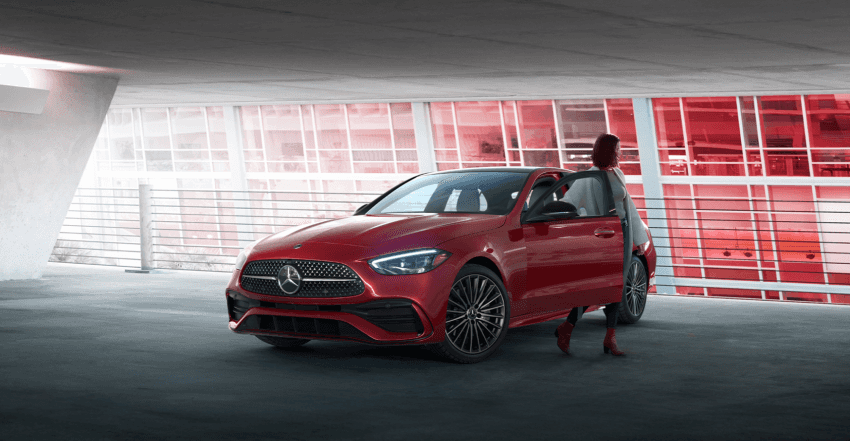
Photo Source/Copyright: Mercedes-Benz
What is a compact car? A compact car is a vehicle that offers about 100 to 109.9 cubic feet of combined passenger and cargo space. This classification makes these vehicles ideal for city commuters or small families seeking an efficient daily driver. Drivers who want comfort paired with maneuverability frequently choose this segment because it balances an easily parked exterior footprint with excellent interior usability. Prominent examples of compact cars include the highly practical Honda Civic and the luxury-focused Cadillac CT4.
What Defines a Compact Car?
Compact cars act as a strategic middle ground between subcompact and midsize vehicles. The primary features that define this category include a comfortable passenger cabin, highly agile handling on city streets, and exceptionally efficient fuel economy. By optimizing the vehicle’s exterior dimensions, engineers create a highly functional interior without compromising the car’s ability to weave through congested traffic effortlessly.
Subcompact vs. Compact
Subcompact Cars
Subcompact cars feature 85 to 99.9 cubic feet of combined interior space. Although they have the smallest footprint, this compact dimension is actually a massive advantage for city driving and tight parking situations. Moreover, their light curb weight makes them incredibly fuel-efficient and superb for budget-conscious buyers.
Compact Cars
Stepping up to a compact car provides 100 to 109.9 cubic feet of combined space. This class offers more passenger and cargo space while remaining remarkably nimble on the road. The slightly larger size increases high-speed stability without sacrificing essential urban maneuverability.
Key Takeaway
If you need more elbow room and versatility without going midsize, a compact car is the better choice.
Compact vs. Midsize
Midsize Cars
Midsize cars offer 110 to 119.9 cubic feet of interior volume. This classification delivers more headroom, legroom, and trunk space, making midsize vehicles exceptional for long road trips and securely carrying larger cargo loads.
Compact Cars
While compact cars have a slightly smaller footprint than midsize models, they still seat up to five passengers comfortably. This optimized sizing ensures that compacts are significantly easier to park and maneuver in crowded cities. They provide excellent visibility and dynamic handling agility that larger sedans simply can’t replicate, all while maximizing fuel savings.
Key Takeaway
Compacts balance comfort and efficiency, while midsize cars offer extra room when you need it.
Midsize vs. Full-Size Cars
Full-Size Cars
Full-size cars boast 120 or more cubic feet of interior space. While their larger size requires slightly more fuel and a wider turning radius, these mechanical characteristics translate directly into maximum passenger comfort and immense cargo capacity. They provide a stupendously smooth, isolated ride that is flawless for long-distance executive travel.
Midsize Cars
Midsize cars remain highly practical for daily driving. They are vastly more fuel-efficient and easier to navigate than full-size vehicles, allowing drivers to enjoy a spacious, comfortable cabin without the stress of maneuvering a heavy, oversized vehicle through narrow suburban streets.
Key Takeaway
Full-size is best for long-distance travel and sophisticated convenience, while compacts and midsize cars suit city and suburban lifestyles.
That said, compact cars remain one of the most practical vehicle types on the road. They bring together comfort, adaptability, and efficiency in a package that feels approachable and easy to use. For many drivers, that combination is exactly the right fit.
More From Mercedes-Benz of Washington
Why the Mercedes-Benz SUV Biggest Model Rules
Photo Source/Copyright: Mercedes-Benz USA Six SUVs wear the three-pointed star, but shoppers almost always land on the same practical question: which one actually gives everyone room to stretch out? Sort the lineup from biggest to smallest, and the GLS sits alone at the top, measuring 205.0 inches end-to-end with a 123.4-inch wheelbase. That…
How Much Is the Mercedes-Benz G-Wagon Worth?
Photo Source/Copyright: Mercedes-Benz USA Three versions, one iconic silhouette that hasn’t moved an inch since 1979, and a price spread wide enough that simply saying “I drive a Mercedes-Benz G-Wagon” doesn’t tell the whole story. How much you’ll actually spend depends on what’s sitting under the hood or floorboards, with roughly $45,000 separating the…
How Big Is The Big SUV Mercedes-Benz?
Photo Source/Copyright: [INSERT] If you’re hunting for a full-size family hauler wearing a three-pointed star, the Mercedes-Benz GLS is where the search usually ends. Excluding the commercial Sprinter van, the GLS reigns supreme as the longest, tallest, and roomiest passenger vehicle in the entire Mercedes-Benz lineup. While the iconic G-Class grabs magazine covers…