
Quick Guide: How to Jumpstart a Car
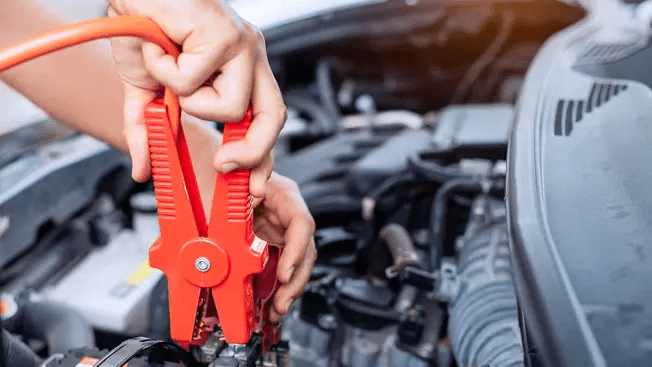
Photo Source/Copyright: Consumer Reports
Ever wondered how to jumpstart a car when stranded in a dark, isolated parking lot? Knowing this instrumental skill is essential, as a dead battery is the most common cause of engine stalling, leaving you feeling helpless and vulnerable. Rest assured, breathing life back into your vehicle is remarkably simple and safe when executed correctly! A successful jumpstart recharges your battery just enough to get you happily back on the road or reliably driven to a trusted service center for a thorough inspection. Let’s dive into the step-by-step instructions to get your motor roaring again!
Signs Your Car Battery Is Dead: Decoding the Silent Treatment
- The engine stubbornly refuses to turn over, leaving you in frustrating silence.
- A rapid, heart-sinking clicking sound echoes when you twist the ignition key.
- Your headlights and interior cabin lights look unusually dim and lifeless.
- Electrical components unexpectedly glitch and fail to function properly.
- Standard batteries typically expire and need to be replaced every 3 to 5 years.
What You Need Before You Jumpstart a Car: Gearing Up for the Rescue
- A sturdy, heavy-duty set of dependable jumper cables.
- A generous second vehicle equipped with a fully functional working battery.
- Clear, unimpeded access to both vehicles’ battery terminals.
- Vital safety precautions: park on level ground, turn off both vehicles, engage the parking brakes, and keep all metal objects at least 1 foot from the battery terminals.
How to Jumpstart a Car: Step-by-Step Instructions: The Roadside Revival Checklist
- Position the Vehicles Properly: Carefully park the functional vehicle directly facing the stranded car so the jumper cables reach effortlessly. Firmly engage both parking brakes to ensure neither car rolls during the rescue.
- Locate the Batteries: Pop open both hoods and remove any plastic covers to reveal the batteries clearly. Quickly identify the positive (+) and negative (–) terminals while checking for dangerous acid corrosion.
- Connect the Jumper Cables in the Correct Order: First, connect the red clamps to the positive (+) terminal of the dead battery, then to the positive (+) terminal of the good battery. Next, secure one black clamp to the good battery’s negative (–) terminal, and clip the final black clamp to an unpainted metal surface on the dead car.
- Start the Vehicles: Fire up the functional vehicle’s engine and let it idle smoothly for a few minutes. Next, sit in the stranded car and confidently turn the ignition key to start the engine.
- After the Car Starts: Leave the newly jumped vehicle running continuously for at least 10 to 15 minutes. Carefully remove the cables in exact reverse order, then drive the vehicle to allow the battery to recharge further.
Important Safety Tips When Jumpstarting a Car: Shielding Your Ride
- Never let the metal clamps touch each other while handling the cables.
- Always connect positive to positive to prevent catastrophic electrical damage.
- Do not attach the final black clamp directly to the dead battery.
- Avoid jumpstarting a visibly damaged, frozen, or leaking battery.
- Consider seeking professional help if you feel unsure or overwhelmed.
What If Your Car Won’t Jump Start?: Navigating the Roadblocks
- Clicking Noise When Turning the Key: This indicates a possible faulty starter motor.
- Electrical System Turns On, But the Engine Won’t Start: This points to a possible ignition switch issue, a blown fuse, a starter problem, or a completely failed battery.
- Car Starts But Dies Immediately: The battery is not holding a charge, or you may have an alternator issue; try jumping again and let the engine run longer.
- When to Call a Professional: Seek expert assistance immediately for repeated jump failures, visible battery damage, or if dashboard warning lights remain steadily illuminated.
When to Replace Your Car Battery: The Power Timeline
- Remember, typical battery lifespan ranges from 3 to 5 years.
Warning Signs of a Failing Battery
A failing car battery broadcasts distinct distress signals before it dies completely. You will immediately notice a sluggish engine crank, incredibly dim headlights, and dashboard electronics that randomly glitch or lose power.
Why Testing Your Battery Regularly Matters
Regular diagnostic testing empowers you to catch severe capacity loss early before an unexpected breakdown leaves you stranded. Technicians use specialized tools to measure exactly how well your battery handles the intense electrical strain of an engine start.
When to Visit a Service Center
You must visit a professional service center immediately if your car hesitates during startup or if your battery case appears swollen. You should also schedule a replacement if your battery has exceeded the standard three-year lifespan.
Mastering How to Jumpstart a Car: Owning the Road Ahead
- Always remember that strictly following the proper cable connection order protects your vehicle from electrical damage.
- Make your personal safety the ultimate priority whenever you pop the hood.
- Keep a durable set of jumper cables securely stored in your trunk so you are always prepared.
- Trust a professional service center to diagnose your car if electrical problems persist.
You are now fully equipped to conquer a dead battery! Stay safe, drive with confidence, and never let a breakdown ruin your adventure.
More From Mercedes-Benz of Washington
Why the Mercedes-Benz SUV Biggest Model Rules
Photo Source/Copyright: Mercedes-Benz USA Six SUVs wear the three-pointed star, but shoppers almost always land on the same practical question: which one actually gives everyone room to stretch out? Sort the lineup from biggest to smallest, and the GLS sits alone at the top, measuring 205.0 inches end-to-end with a 123.4-inch wheelbase. That…
How Much Is the Mercedes-Benz G-Wagon Worth?
Photo Source/Copyright: Mercedes-Benz USA Three versions, one iconic silhouette that hasn’t moved an inch since 1979, and a price spread wide enough that simply saying “I drive a Mercedes-Benz G-Wagon” doesn’t tell the whole story. How much you’ll actually spend depends on what’s sitting under the hood or floorboards, with roughly $45,000 separating the…
How Big Is The Big SUV Mercedes-Benz?
Photo Source/Copyright: [INSERT] If you’re hunting for a full-size family hauler wearing a three-pointed star, the Mercedes-Benz GLS is where the search usually ends. Excluding the commercial Sprinter van, the GLS reigns supreme as the longest, tallest, and roomiest passenger vehicle in the entire Mercedes-Benz lineup. While the iconic G-Class grabs magazine covers…